Article · Sarah Cherif · 10 trainings · 10 habits

A training organization with ambition.From “we know how” to “that's just how we do it here.”

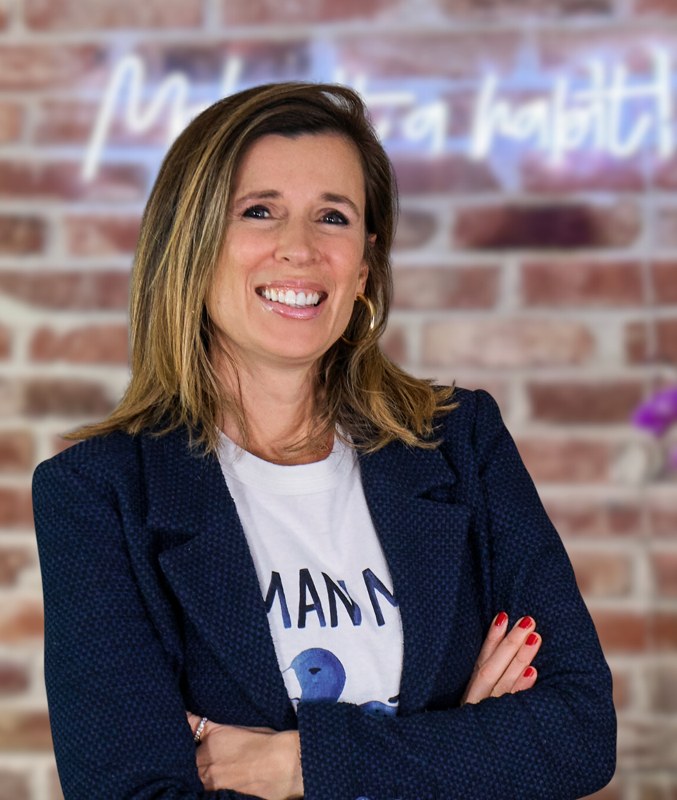
Sarah Cherif
Sarah CherifFounder & CEO · SkillsGym

Every now and then someone asks me: “So what are you, really? A training company? Or a behavior change and culture change partner?”

Here's my honest answer. We are a training organization, heart and soul. That's our passion. I've been fascinated by learning and growing for as long as I can remember: the moment something clicks, the moment someone tries a new way of leading and feels it work. That never gets old.

But we're a training organization with ambition.

Most training stops at awareness and skills. People know what good feedback looks like. They've learned how to do it. Mission accomplished, right?

If it were about knowing, we'd all be millionaires with ripped abs, right?

No. For us, that's only the starting line.

3 months · 6 months · 2 years later“Feedback? Oh, that's a habit here now.”

That's when we're happy. It's the difference between a training people enjoyed and a training that changed how people work together.

So every program we run leaves one small, concrete habit behind: a sentence, a question, a short ritual. Simple enough to survive a busy Tuesday. Strong enough to shift a culture, one conversation at a time.

Here's what that looks like. Below are our ten most popular trainings, and the habit each one has installed in the organizations we work with.
Built & proven with

Logos of organizations SkillsGym has worked with

01 · Training

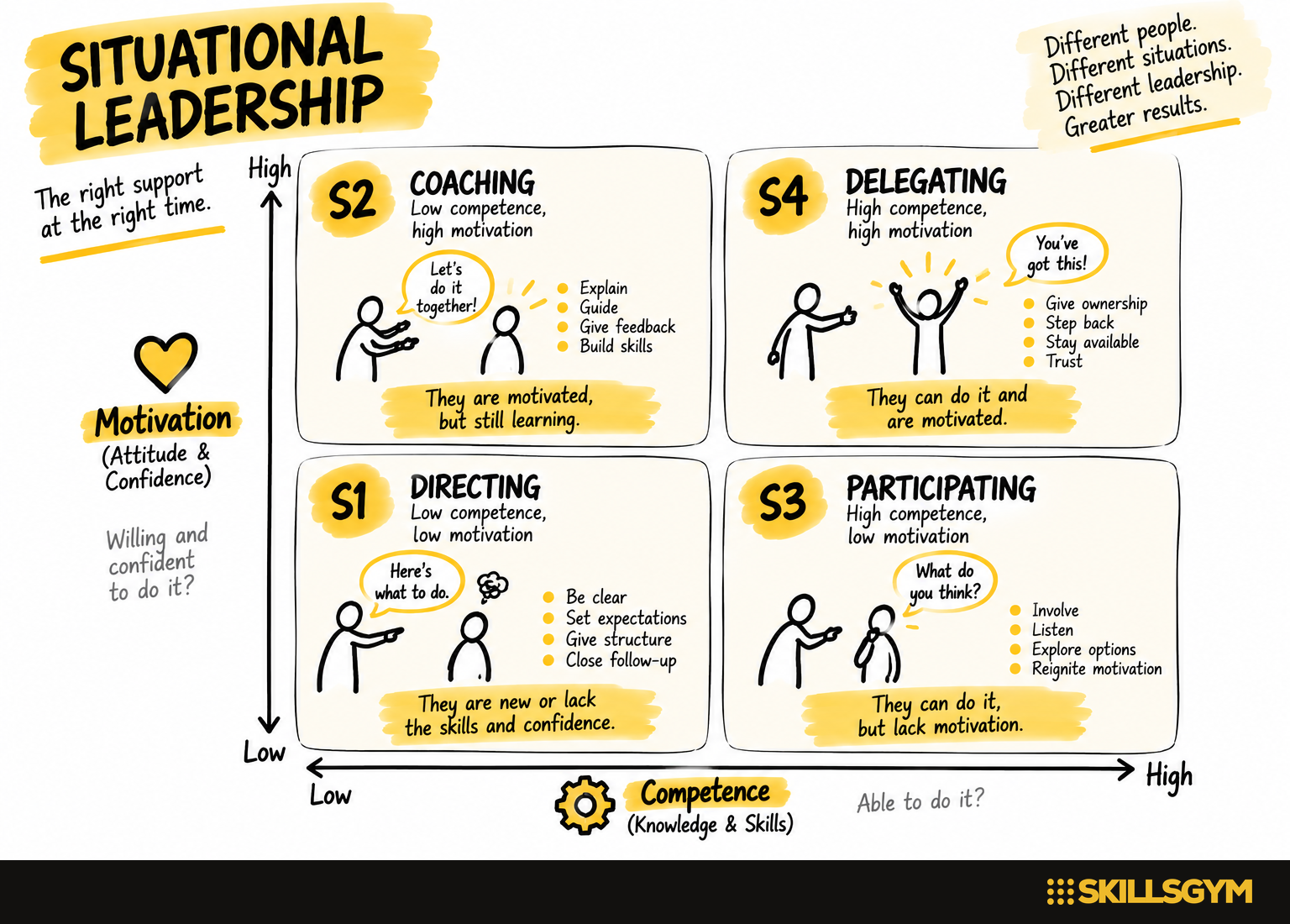
Situational Leadership

The habit

End your one-on-ones with “What do you need more of, or less of, from me?”

The model teaches leaders to match their style to the person in front of them. The habit makes sure they keep checking, because what someone needed last month is rarely what they need today.

Situational Leadership: SkillsGym habit drawing

02 · Training

Coaching

The habit

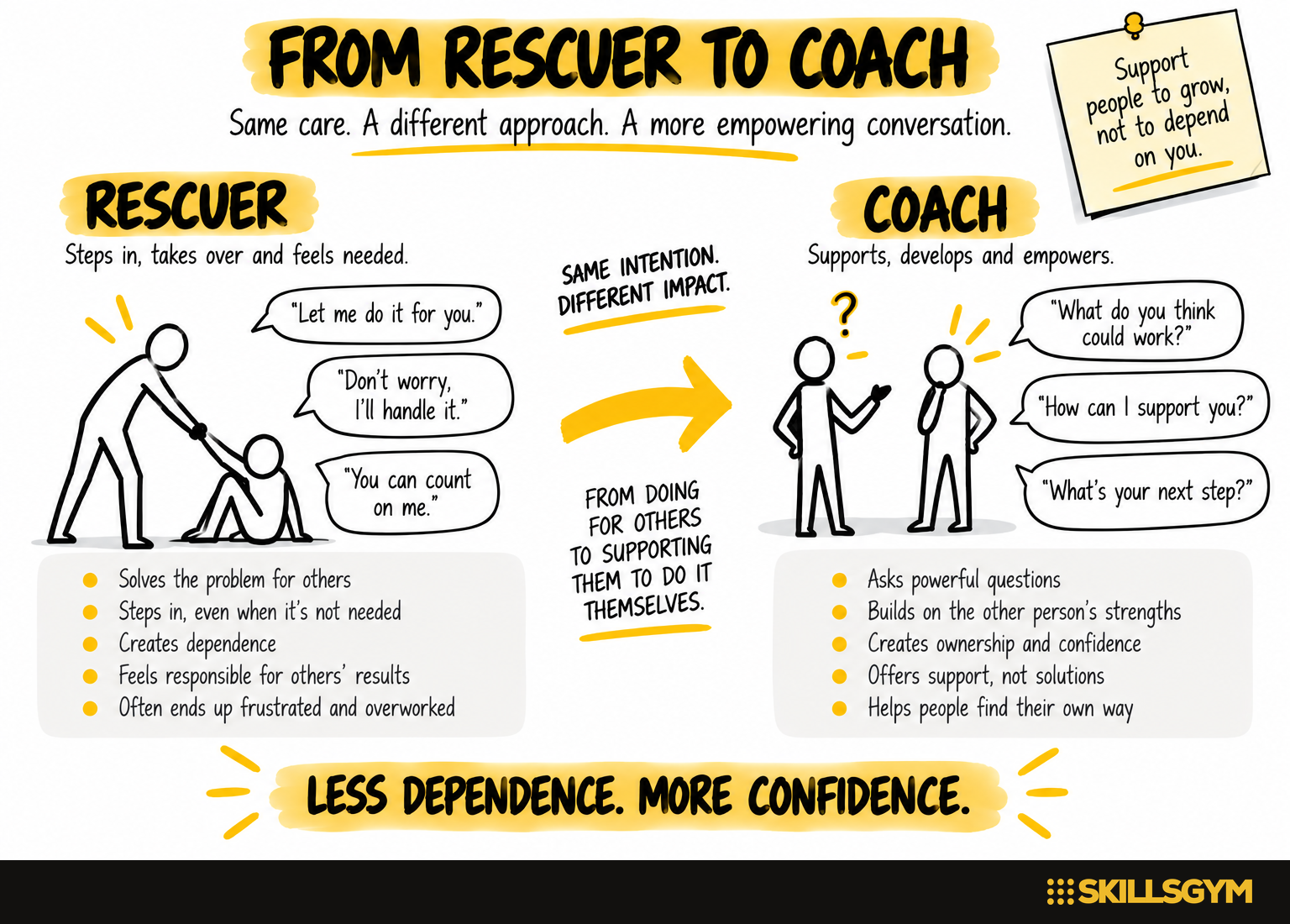
CPRS: three questions before any solution.

Every leader knows the reflex: someone brings a problem, and you jump in with the answer. This habit buys three questions' worth of space first. More often than not, the other person finds the answer themselves, and owns it.

Coaching: SkillsGym habit drawing

03 · Training

Giving Feedback

The habit

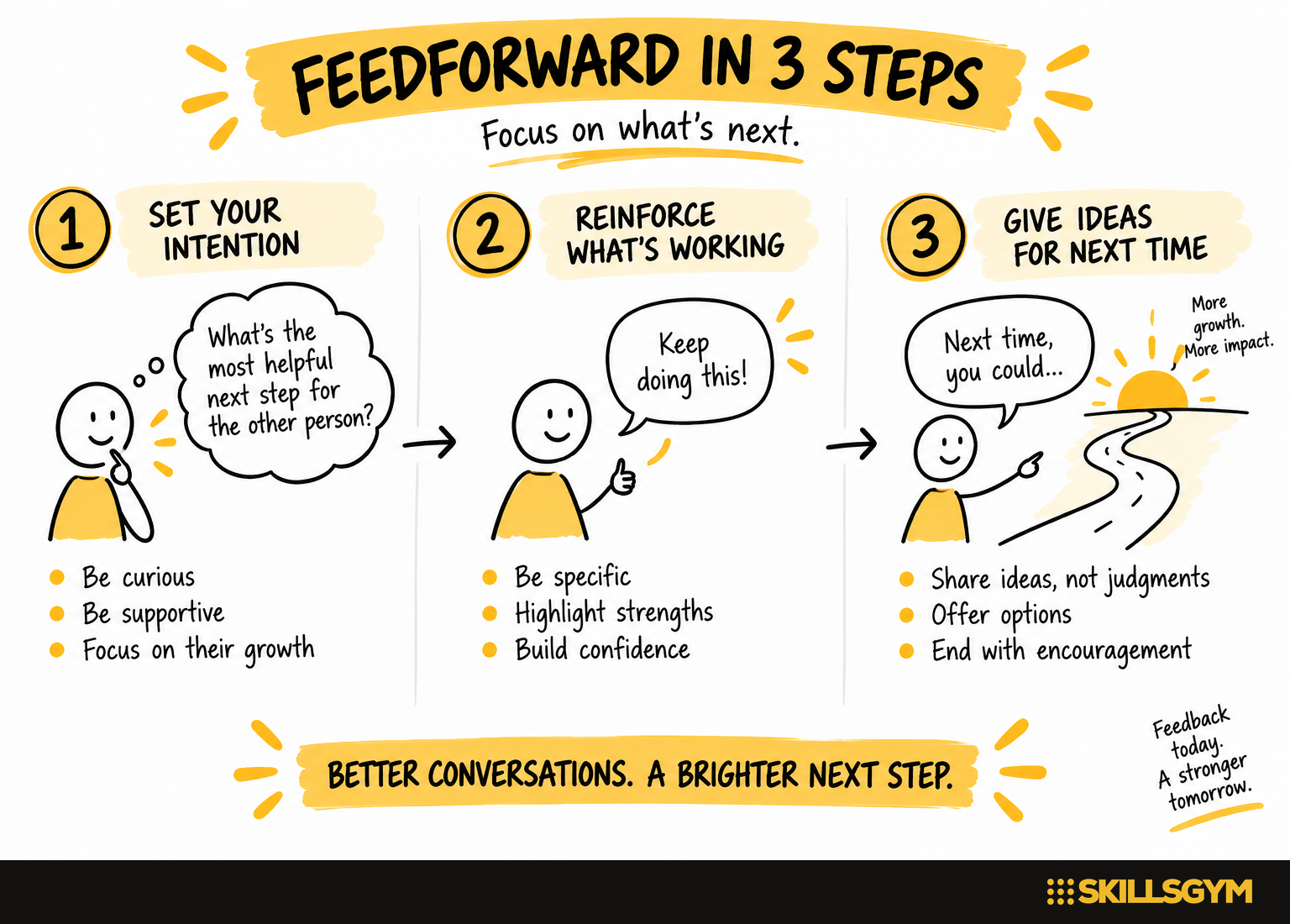
Start with feedforward.

Instead of dissecting what went wrong, start with what's next: “Next time, you could…” It lowers defenses, keeps energy high and turns feedback into something people actually look forward to.

Giving Feedback: SkillsGym habit drawing

04 · Training

Psychological Safety

The habit

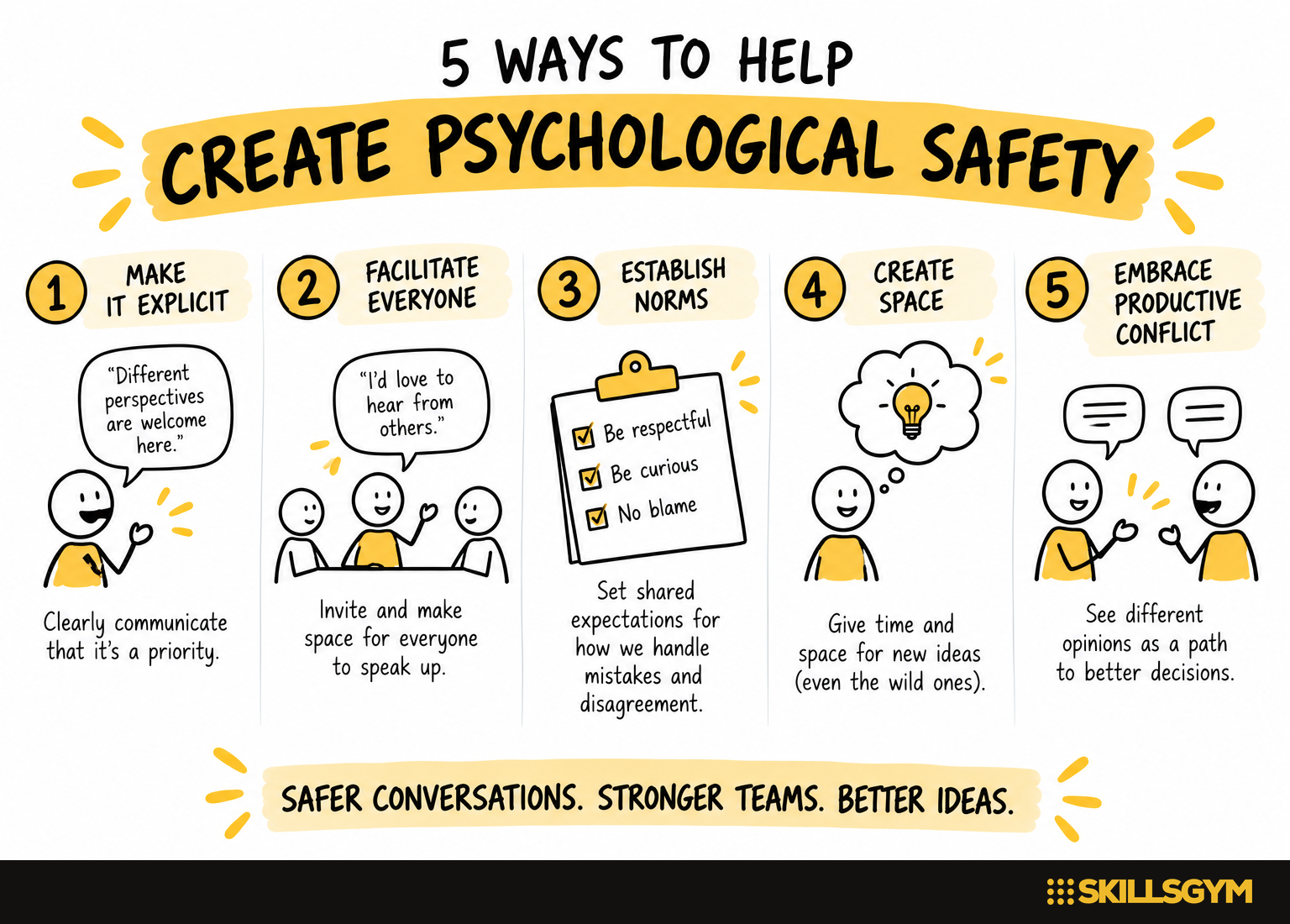
In meetings, nudge with “What am I missing here?”

One question, asked by the most senior person in the room, signals that other views are welcome. Ask it often enough and people stop waiting for permission to speak up.

Psychological Safety: SkillsGym habit drawing

05 · Training

Vision

The habit

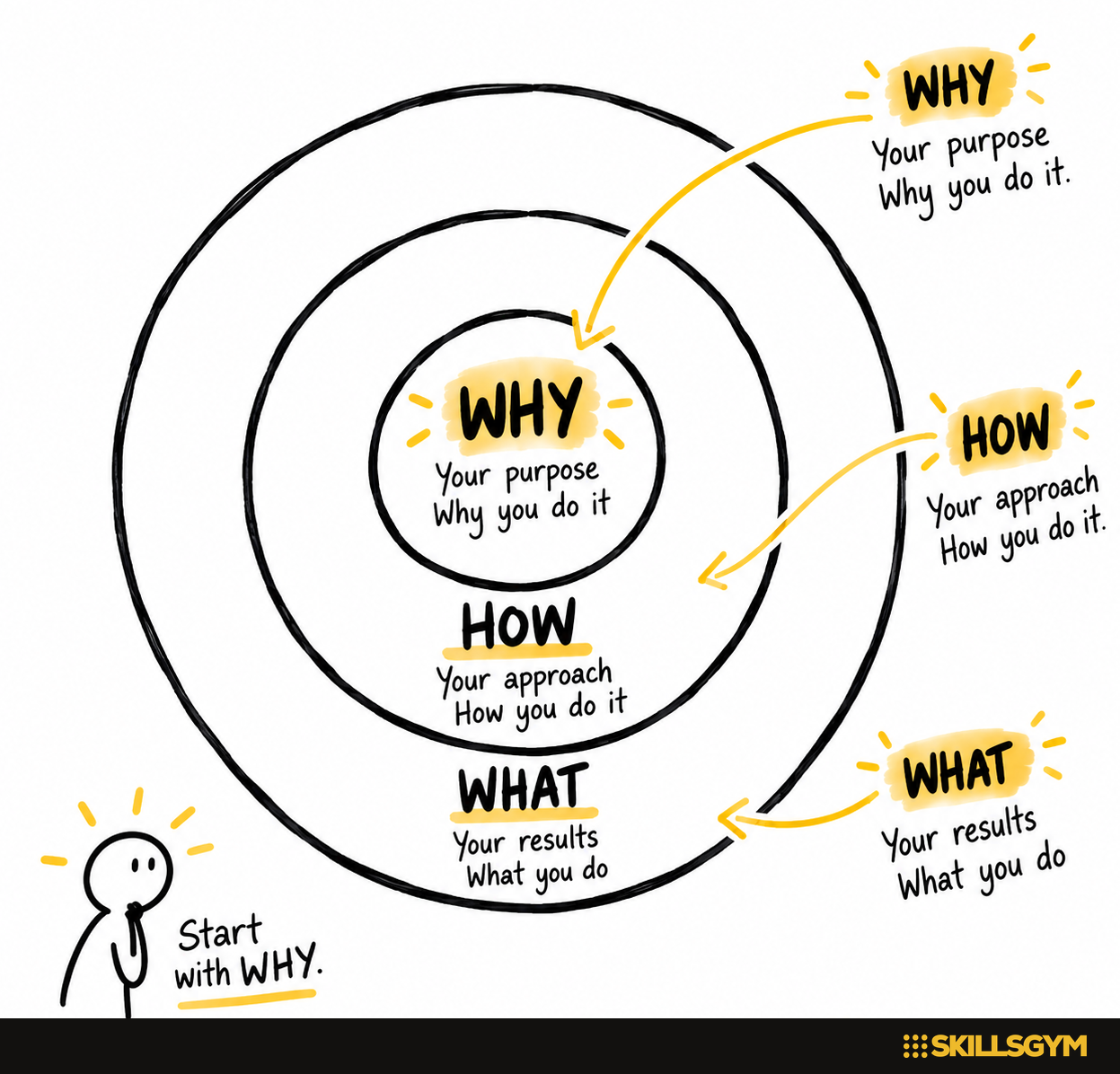
Start meetings with Why.

Why are we having this meeting? Why is this topic on the agenda? Two quick questions that connect daily work to the bigger picture, and quietly cancel a few meetings that didn't need to happen.

Vision: SkillsGym habit drawing

06 · Training

Goal-Setting

The habit

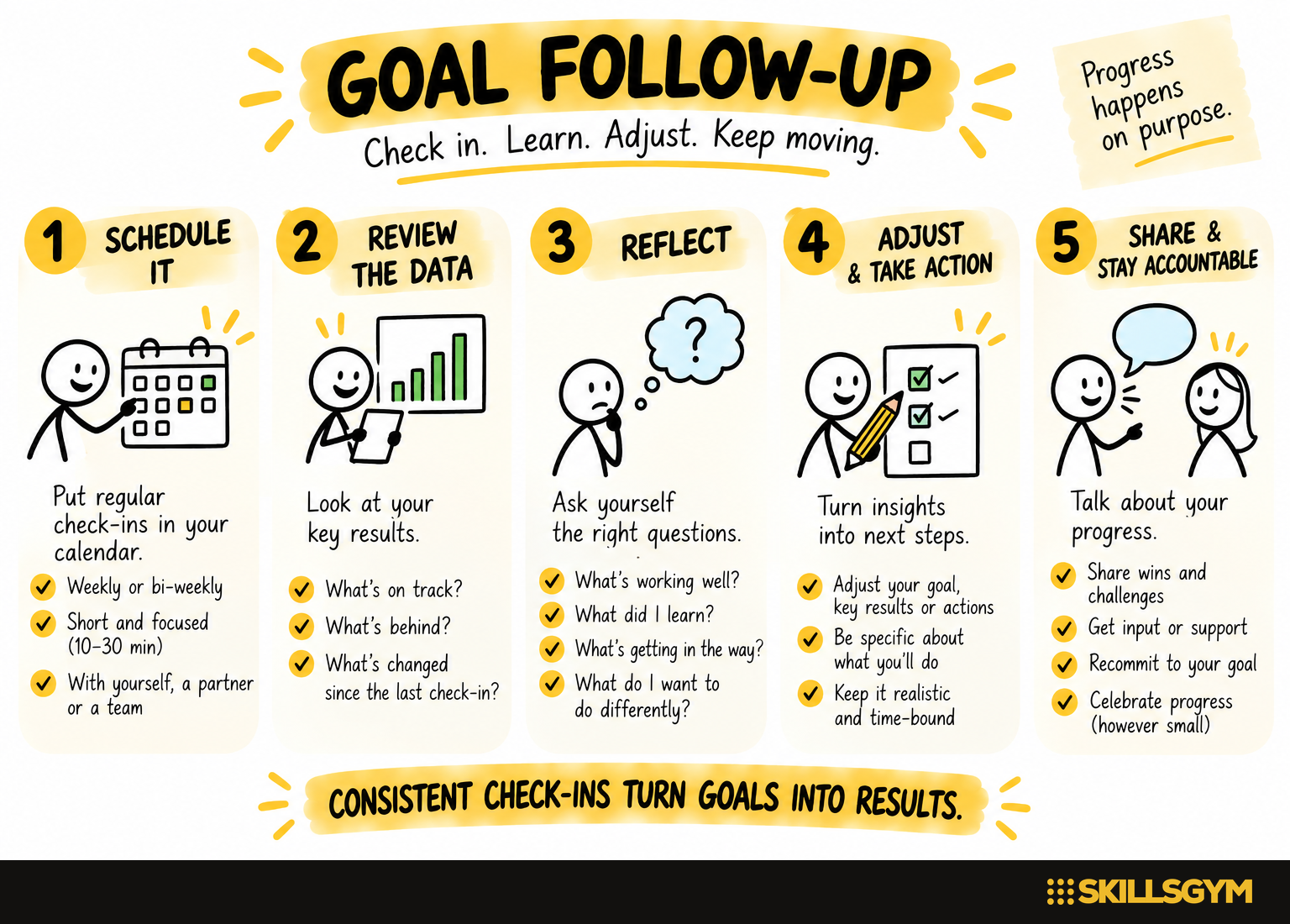
Ask every week: “What are your priorities? How can I help?”

Goals don't fail at the setting stage. They fade between check-ins. Two questions every week keep priorities sharp, surface blockers early and turn the leader into a support, not a controller.

Goal-Setting: SkillsGym habit drawing

07 · Training

Communicate with Impact

The habit

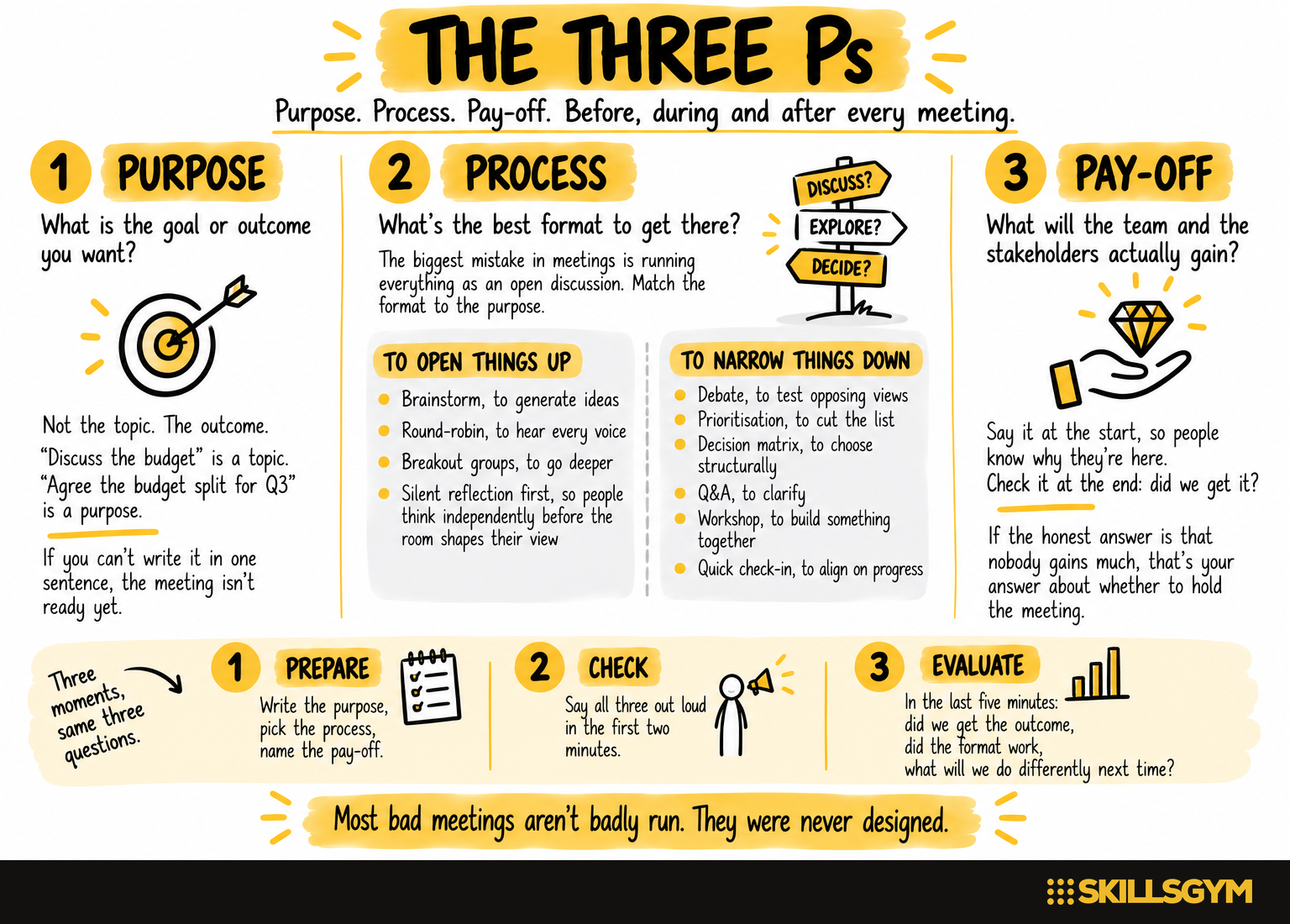
Lead with the 3 Ps: Purpose, Process, Payoff.

Before every meeting, presentation or important email: what's the goal, how will we get there, and what's in it for the people listening? Clear from the very first sentence.

Communicate with Impact: SkillsGym habit drawing

08 · Training

Energy Management

The habit

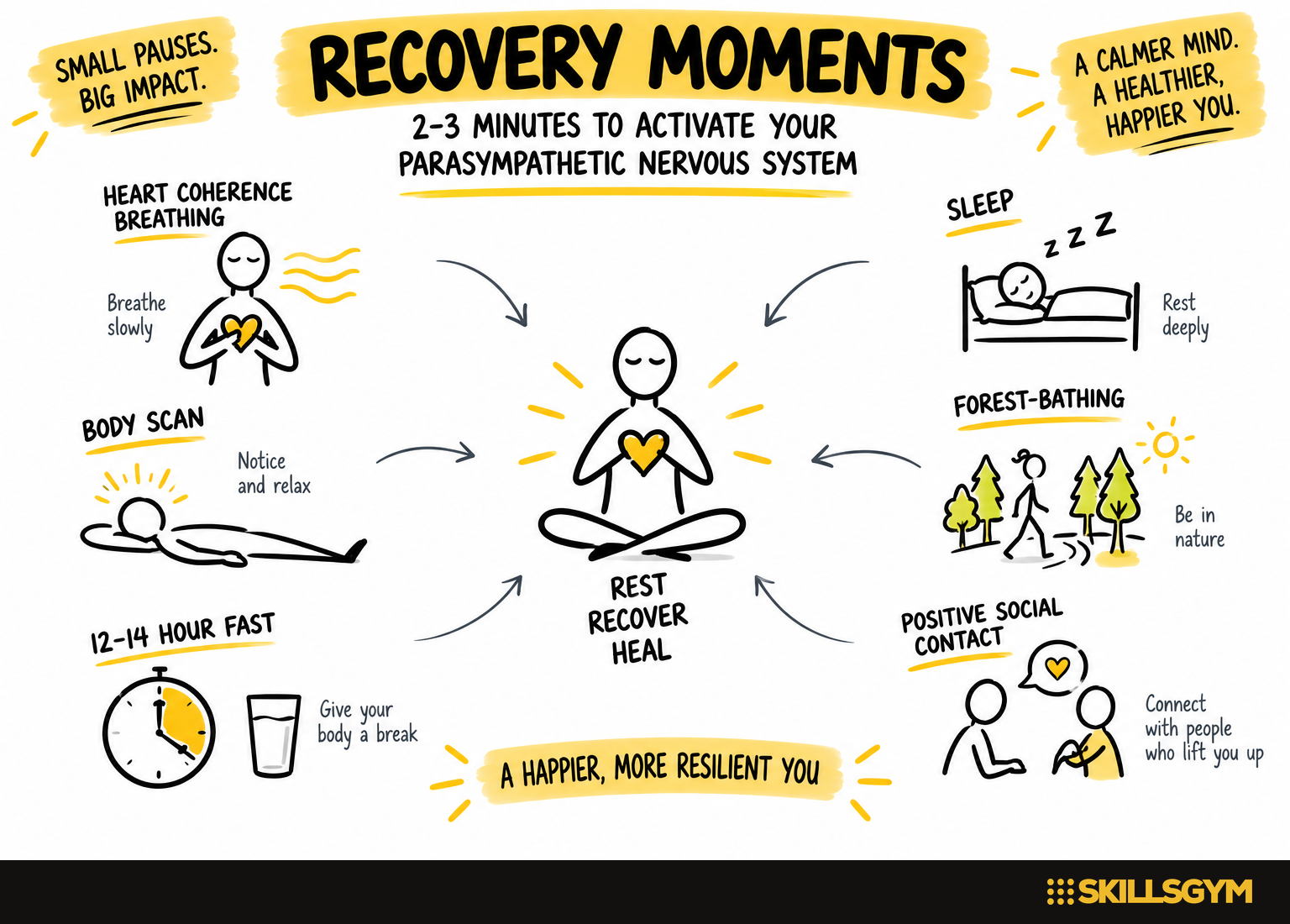
90-second recovery breaks between work activities.

High performance isn't about pushing through. A short reset between tasks (a breath, a stretch, a look outside) calms the nervous system and brings people to the next task fresh.

Energy Management: SkillsGym habit drawing

09 · Training

Check-Ins

The habit

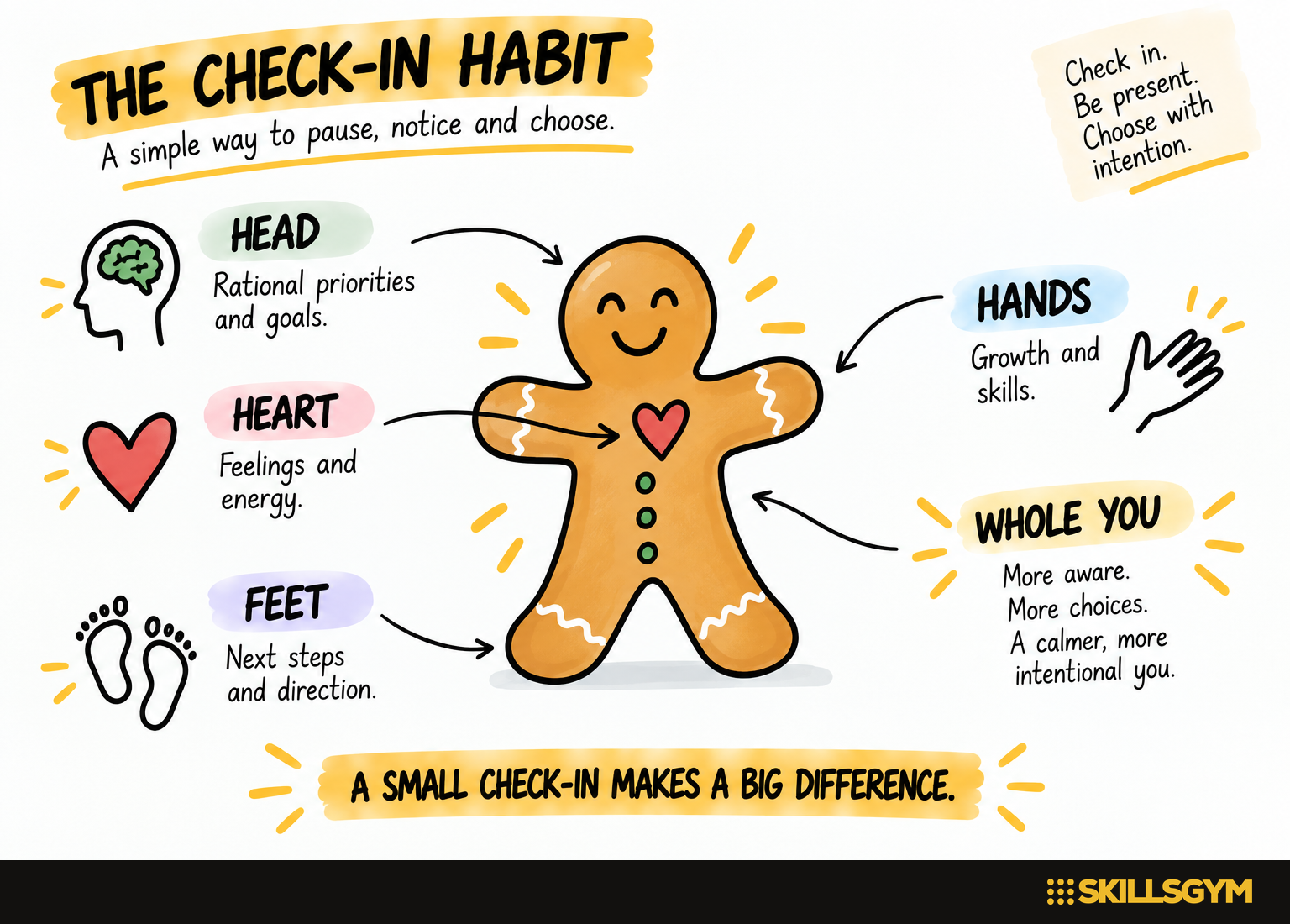
A 10-minute Gingerbread Man check-in, every two weeks.

Head, heart, hands, feet: what's on your mind, how are you feeling, what are you working on, where are you heading? Ten minutes that tell a leader more than a month of status updates.

Check-Ins: SkillsGym habit drawing

10 · Training

Outward Mindset

The habit

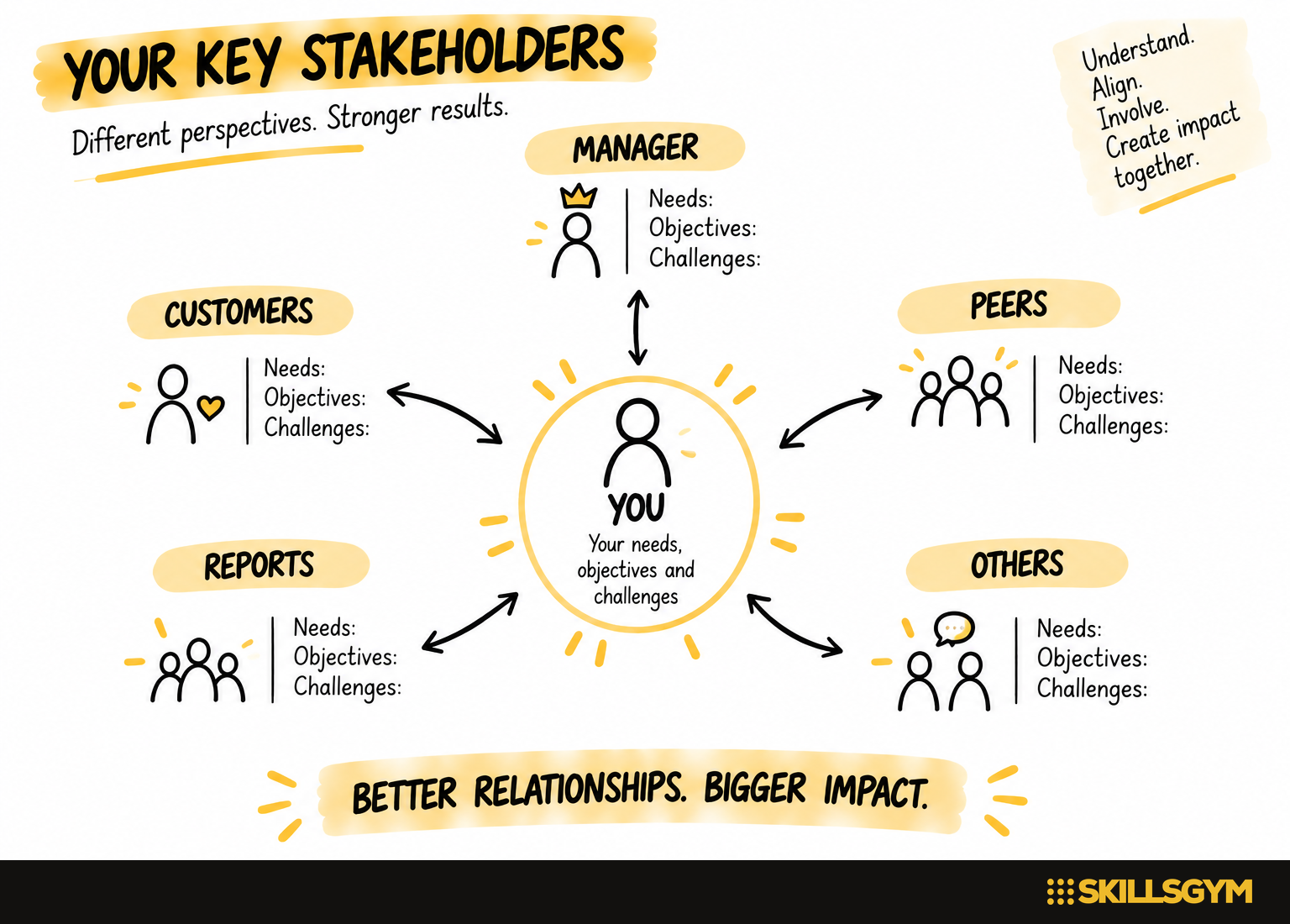
“Tell me about your NOCs” (Needs, Objectives, Challenges).

Talk to every key stakeholder the way a great salesperson talks to a client. Ask: “What are you working on right now? What's keeping you up at night?” Once you see their world, collaboration gets a lot easier.

Outward Mindset: SkillsGym habit drawing

Our method

Deconstructing complex skills into easy, proven plans.

The 1–3–3 Method

  • 1Skill One complex skill, like coaching or giving feedback, broken down into three foundational sub-skills.
  • 3Habits One small habit per sub-skill, simple enough to practice inside the work you're already doing.
  • 3Conversations One conversation per sub-skill, so the habit lands with the people around you.

Tested and approved by 100,000 professionals

The habits in this article aren't just what we personally think works. A habit only makes it into a SkillsGym program when it is:

  • Evidence-based Grounded in research, not opinion or fashion.
  • Easiest to do For the largest number of people, on a busy day.
  • Biggest impact The small action that moves behavior the most.

Client case · KBC

Empathy in Sales

We narrowed 50 evidence-based habits around emotional intelligence down to 10. Today that program is a staple: every client-facing person at KBC goes through it.

  • 50Evidence-based habits around emotional intelligence
  • 30Tested with a user test group
  • 10Became the program for all client-facing people

Training is where it starts. Habits are where it lands.

So, are we a training organization or a culture change enabler? Both. We train, because that's what we love. And we stay until the new behavior has become the normal one.

Which of these habits would make the biggest difference in your team? Let's talk.

Book a call with Sarah →info@skillsgym.com

— Sarah Cherif, Founder & CEO, SkillsGym · +32 474 13 11 30

← All articles